
Imagine a financial ecosystem where transactions speak the same language, and blockchain integration becomes as standard a process as sending email. This is not a distant prospect, but a reality that is being formed today thanks to the introduction of the global ISO 20022 standard. This protocol transforms disparate data into structured information, laying the foundation for a financial world where speed, transparency, and reliability of transactions reach a new level.
In this article, we will talk about projects and companies that are already building this future - a world without technological barriers, where universal data formats accelerate innovation, including in the field of cryptocurrency payments.
The key topics that we will cover:
- The essence of the ISO 20022 standard: how it works and why it has become the new language of global finance.
- Pioneers of Adaptation: an overview of the leading cryptocurrency and fintech projects that are already integrating these standards.
- Practical business value: How using ISO 20022 helps companies improve efficiency, reduce costs, and remain competitive in the instant payment market.
By understanding and implementing these approaches, your organization can not only adapt to changes, but also take a leading position, minimizing the risks inherent in outdated and fragmented systems. Join the research on how data standardization creates a truly interconnected and efficient financial ecosystem.
Understanding ISO 20022 and Its Impact on Crypto
ISO 20022 makes financial operations simpler and more transparent. Instead of many disparate formats, data travels in one unified format. This approach reduces errors, speeds up payments, and lowers costs. The rise of ISO 20022 crypto shows a shift in cross-border transactions.
For example, imagine you are transferring €1,000 from a bank in France to a bank in Japan. Without ISO 20022, each bank might use different formats and systems, causing some of the data (e.g. the purpose of payment or the exact details) to be “lost” or distorted when transferred between intermediaries. ISO 20022 solves this problem: all participants in the transfer chain speak ‘the same language’ and exchange data in a uniform format.
SWIFT says the standard automates 84% of messages. It cuts processing time and costs. Banks and other institutions solve data error issues more quickly. It relies on unified data models and XML schemas. This approach improves the quality of information in transit and automates data processing. For crypto-focused businesses, ISO 20022 provides a unified data structure that can help them align with established payment systems. Adopting such standards may be an essential step toward broader market acceptance.
Why ISO 20022 Matters in Finance and Blockchain
ISO 20022 helps financial systems speak a single language. This approach streamlines data exchange and makes processes faster and more accurate. Customer and verification data (KYC, AML) are added to payment messages to meet the requirements of regulators.
Want to accept crypto payments on your website?
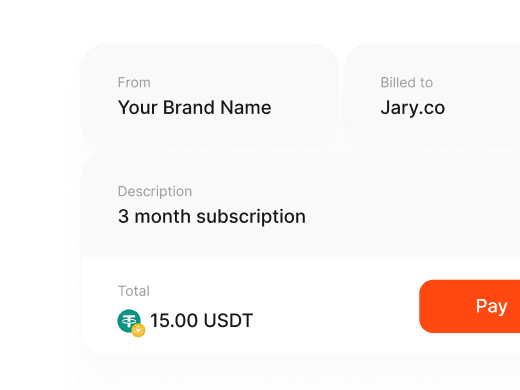
It will bring your businesses benefits:
- Interoperability. Data flows easily between payment systems worldwide. This factor matters for the global market.
- Efficiency. A single message format eliminates unnecessary conversions. Errors occur less often, and transactions happen faster.
- Cost Savings. Automation lowers business expenses on data processing and error correction.
The standard opens new opportunities for digital assets. By unifying payment message formats, ISO 20022 removes some data exchange hurdles. This could simplify cross-border operations and gradually pave the way for broader blockchain adoption in traditional finance. Many experts now keep a list of ISO 20022 crypto coins. It highlights assets that prove compliance and interoperability.
Leading cryptocurrency projects focused on compatibility with ISO 20022 (2026)
In 2026, the focus on traditional finance standards such as ISO 20022 remains an important vector for crypto projects seeking mass integration.
XRP (XRP): A pioneer in cross-border payments
Ripple initially developed XRP and the RippleNet network to optimize international settlements. Compatibility with ISO 20022 principles allows the Ripple ecosystem to use standardized payment message formats, potentially reducing operational barriers for partner banks and facilitating faster and cheaper transfers.
Stellar (XLM): A bridge between blockchain and traditional finance
The Stellar platform focuses on providing access to financial services, including international payments. The support of standardized data conforming to the spirit of ISO 20022 enhances Stellar's integration capabilities with traditional payment systems and banks.
Quant (QNT): An innovator in the field of interoperability
The Quant project, through its Overledger operating system, solves the problem of the interaction of various blockchains and their connection to Legacy systems. ISO 20022 compatibility is a key element of the Quant architecture, simplifying and standardizing data exchange between different technological layers.
Algorand (ALGO): A high-performance and carbon-neutral blockchain
Algorand, known for its speed, security, and low power consumption, supports the issuance of digital assets. Focusing on compliance with financial standards, including ISO 20022, makes it easier for institutional clients to integrate with its network.
Hedera Hashgraph (HBAR): An enterprise-level network
Hedera is positioned as a platform for enterprise solutions, offering high speed, security and predictable fees. Support for standardized data formats is part of its strategy to seamlessly connect to existing financial and corporate infrastructure.
XDC Network (XDC): Hybrid Blockchain for Business
The XDC network uses a hybrid architecture combining public and private elements and specializes in trade finance. Its focus on interacting with global financial networks makes it a natural priority to support standards like ISO 20022.
How to determine which cryptocurrencies comply with the ISO 20022 standard
The ISO 20022 standard is needed to increase the trust of traditional financial institutions in cryptocurrencies. You can determine for yourself whether a coin supports this standard or not. Below is a step-by-step plan.
Step 1. Study the project documentation
Crypto projects provide detailed information about how the blockchain system works, a roadmap, and basic documentation. Study the white paper and roadmap of the cryptocurrency.
Step 2. Check compatibility with payment standards
Make sure that the coin works with key payment networks:
- SWIFT (Society for Worldwide Interbank Financial Telecommunications);
- SEPA (Single Euro Payments Area);
- RTGS (Real-Time Gross Settlement).
Projects that actively cooperate with banks and other financial organisations often adapt their technologies to ISO 20022.
Step 3. Use analytical platforms
Specialised media covering news from the world of blockchain technology can be a useful aid in studying the cryptocurrency market. Among the most useful resources are CoinMarketCap, CoinGecko, Reddit and Bitcointalk forums, reports from specialised fintech companies.
How to choose ISO 20022-compliant cryptocurrencies for investment?
Investing in cryptocurrencies requires a careful approach. Let's look at the key aspects that will help you make an informed decision.
Regulatory and legal aspects
Compliance with ISO 20022 is an important advantage, as it demonstrates the cryptocurrency's readiness to integrate with the traditional financial system. However, compliance with regulations alone does not guarantee investment success.
Technical
Key characteristics include transaction speed, scalability, and energy efficiency. But remember that even the most advanced technologies need the support of strong teams and an active community.
Project team and community
Assess the reputation, experience and openness of the team. A large, active and loyal community can promote the currency, attract new users and ensure a constant flow of ideas and improvements.
Tokenomics and economic models
The economic component plays a huge role: token supply model, distribution mechanism, incentives for holders.
Growth potential and practical applications
The real value of cryptocurrency is determined by the availability of practical use cases: cross-border payments (Stellar), integration with IoT technologies (IOTA), application in corporate systems and banking operations.
Accepting payments in cryptocurrencies compatible with ISO 20022
The integration of cryptocurrencies into payment systems has turned from an experimental practice into a strategic step for modern business. Companies pay special attention to those digital assets that are focused on compliance with the global ISO 20022 standard, as this directly affects the reliability and scalability of the payment infrastructure.
The Advantages of Accepting "Compatible" Crypto Assets for Your Business
The speed and accuracy of operations. The standard provides a structured and unambiguous data exchange between all payment participants - from the client's wallet to your accounting department and the correspondent bank. This reduces transaction processing time and minimizes errors caused by format mismatches or manual input.
Increased data protection and reduced risks. The unified financial information transmission format simplifies automatic monitoring and analysis of payments. This helps to identify suspicious activity more effectively, reducing the risks of fraud and technical failures, and facilitates audit and regulatory compliance (AML/KYC) procedures.
The adoption of the ISO 20022 standard makes cryptocurrencies a more predictable and manageable tool for business. It not only simplifies the process of accepting payments, but also lays the foundation for deep automation of financial processes, from instant accounting to intelligent flow analysis. According to the heads of the world's largest banks, the widespread adoption of ISO 20022 is a key factor in the fight against financial crimes, as well as an opportunity to dramatically improve the quality of data, its analytics and transparency of the entire ecosystem of settlements.
How to Integrate ISO 20022 Coins with Crypto Payment Gateway
Steps for integrating a payment gateway using 0xProcessing as an example:
- Pick a Payment Gateway. Test your options. Pay attention to fees, security features, and ease of setup.
- Configure the Integration. Use the provider’s API and documentation.
- Train Your Staff. Show your team how to operate the new system.
- Notify Your Customers. Let buyers know about this new payment option.
Integrating crypto payments creates new opportunities. You attract users who prefer digital currencies and modernise your business. This strategy increases customer loyalty and lowers payment processing costs.
FAQs on ISO 20022-Compliant Cryptos
Businesses want to know more about how cryptocurrencies fit with ISO 20022. These answers address the most common concerns.
Which coins are ISO 20022 compliant?
ISO 20022 simplifies data exchange among financial systems. Cryptocurrencies that meet this standard connect easily with traditional institutions.
Other Projects Noted Here: VeChain (VET), Ethereum 2.0 (ETH2), Polygon (MATIC), Tezos (XTZ), Celo (CELO), Solana (SOL), Avalanche (AVAX).
How does ISO 20022 affect crypto transactions?
ISO 20022 clarifies and accelerates transactions by using a unified data format. This reduces errors, enhances transparency, prevents fraud, and integrates smoothly with legacy payment networks. With fewer manual checks, processing costs drop, while better compatibility encourages a more connected, efficient financial environment.
What is the timeline for ISO 20022 adoption?
In early 2020, protocols began to be developed and tested to ensure smooth and secure operations. In 2022, many crypto projects have already begun transitioning to the ISO 20022 standard.
In the coming years, European and American regulators may make the standard mandatory for financial transactions. Businesses should upgrade their systems now to avoid delays and ensure smooth operations.
Conclusion
The use of cryptocurrencies compatible with the ISO 20022 standard gives businesses a significant competitive advantage. They allow you to reduce costs, optimize global operations and speed up transactions. The 0xProcessing service provides businesses with a convenient tool to start accepting crypto payments.
The most important conclusion is that the combination of the ISO 20022 standard and 0xProcessing technology allows organizations to meet modern market needs. Companies get a practical and secure way to effectively integrate cryptocurrencies into their operations, ensuring fast and reliable acceptance of digital payments.


