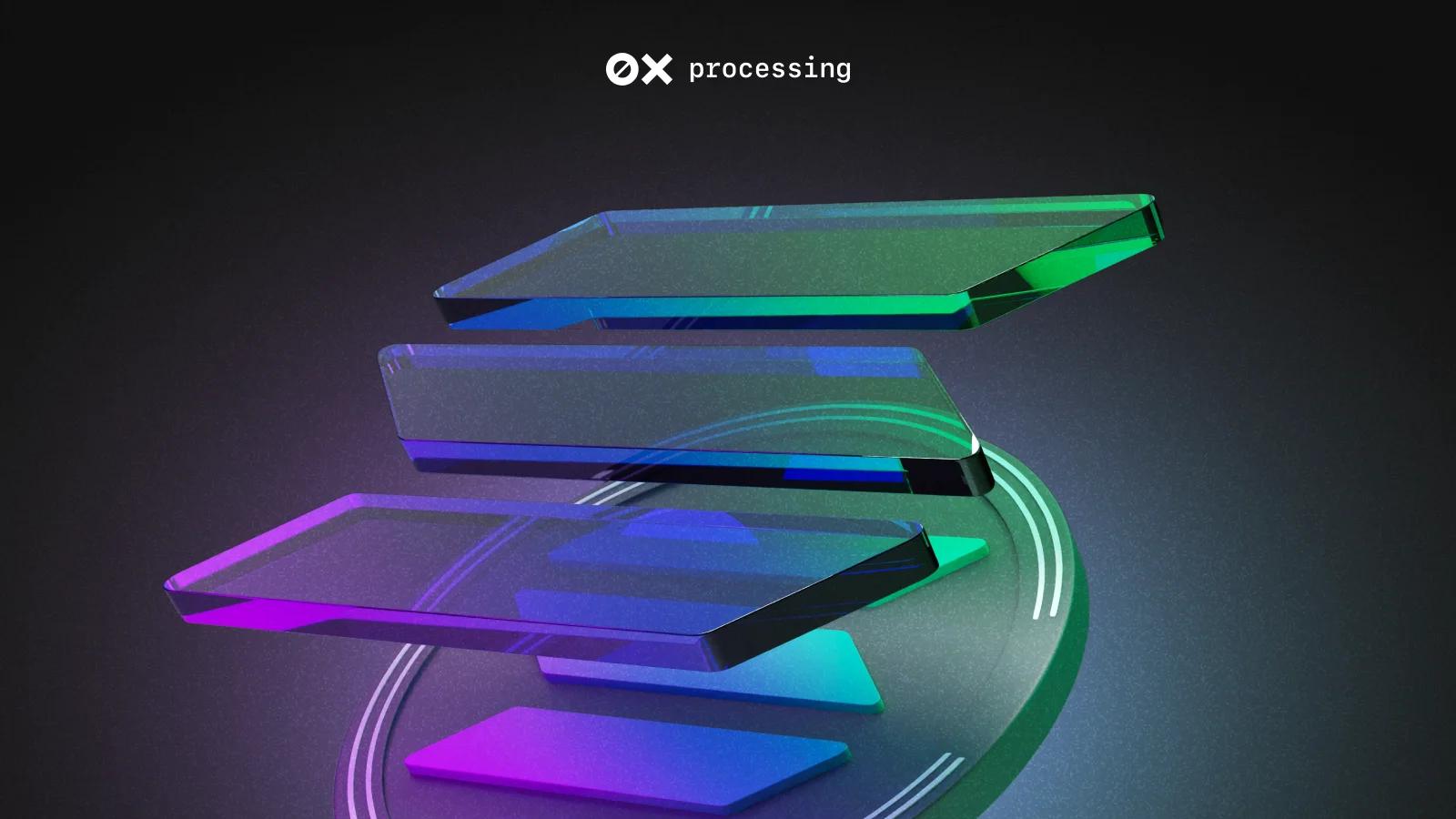
Solana (SOL) has emerged as one of the top contenders in the crypto market. It attracts attention for its speed, low fees, and innovative technology as the blockchain ecosystem matures. Many investors wonder if Solana remains a good investment in 2026. In this detailed guide, we explore the SOL price outlook, key features, and risk factors. Plus, we will talk about expert predictions. We also discuss how SOL compares to other cryptocurrencies.
What is Solana and how does it work?
Solana is a high-performance blockchain created for scalable decentralized applications (dApps) and crypto projects. Its key advantages are the highest transaction processing speed and minimal fees. This is made possible by a unique hybrid consensus mechanism that combines Proof of History (PoH), a timestamp technology, with Proof of Stake (PoS).
This architecture allows the network to process tens of thousands of transactions per second (TPS), making it one of the fastest in the industry. All this attracts both developers and investors. The ecosystem is based on the native SOL token, which is used to pay commissions, staking, and participate in network management.
History and development
The project was launched by Solana Labs in 2020 under the leadership of Anatoly Yakovenko, a former Qualcomm engineer. The initial goal is to solve the problem of scalability of blockchains without compromising decentralization and security. Thanks to the support of leading venture funds and institutional investors, SOL quickly gained popularity and entered the top 10 cryptocurrencies by market capitalization in 2021.
Despite the network outages in 2022-2023, the Solana team has significantly strengthened the infrastructure by implementing important updates. In 2026, the platform continues to strengthen its position as one of the most technologically advanced and fastest-growing blockchains on the market.
Key features
How to process transactions
Solana processes transactions using its unique PoH mechanism. That timestamps transactions before they enter the network. This innovation allows validators to process blocks without needing to communicate all the time. That boosts speed and efficiency. Combined with PoS, it enables Solana to handle over 65,000 TPS with minimal transaction costs. This is its major advantage over competitors like Ethereum and Bitcoin.
Network structure and security
A decentralized set of validators secures the network. They use a combination of staking and cryptographic proofs to ensure integrity. The hybrid consensus model reduces network congestion and helps prevent common blockchain attacks. Ongoing upgrades, bug bounty programs, and third-party audits support SOL's security. Together, they strengthen its security profile. Solana has also focused on improving node decentralization to increase resilience.
Supply, tokenomics, and distribution
SOL has a current total supply of over 619 million tokens. With a circulating supply that increases as validators earn staking rewards. The team at first set its inflation rate at 8% and plans to reduce it each year until it reaches 1.5% in the long term. This controlled issuance model helps maintain the value of the SOL token over time. A part of all transaction fees burning, reducing supply and creating deflationary pressure. The token allocation includes community reserves, team shares, and ecosystem development funds.
Factors affecting the cost of Solana
Market trends and level of implementation
The cost of SOL is directly related to the level of its implementation and the general trends in the crypto market. As the industry expands, projects offering high transaction speeds and low fees are gaining particular popularity. In 2026, SOL is capitalizing on the growing interest in DeFi, NFT, and scalable smart contract platforms. Integration with major protocols, gaming platforms, and payment solutions increases the practical value of blockchain and strengthens investor confidence.
Regulatory environment and legal aspects
Legal certainty remains a key factor influencing the price of SOL and its investment attractiveness. In the United States, the Securities and Exchange Commission (SEC) has not officially classified Solana as a security, but has conducted checks on a number of cryptocurrencies for similar reasons. The Solana Labs team is actively working to comply with financial regulations in various jurisdictions, such as the European Union and Singapore, where more friendly regulation is being formed. A favorable legal environment can strengthen investor confidence and attract institutional capital.
Want to accept crypto payments on your website?
Industry use cases and institutional interest
SOL’s adoption is expanding in industries such as fintech, gaming, and social media. Projects like Helium, Render Network, and Audius have migrated to or launched on Solana. They decided to do it due to its performance and ecosystem support. Institutional investors, including major VCs and hedge funds, continue to show interest in SOL. By participating in funding rounds and acquiring SOL tokens. This institutional presence supports long-term price stability. It positions Solana as a key player in the future of blockchain technology.
Benefits of investing in Solana
Transaction speed and cost efficiency
Solana — well-known for its throughput, capable of processing over 65,000 TPS. Plus, it has very low transaction costs — often less than $0.01. This performance advantage makes SOL ideal for high-volume trading and decentralized applications. Plus, it suits a lot of payments through the borders. Compared to other blockchains like Ethereum, Solana’s speed and efficiency reduce congestion and gas fees. That enhances user experience and application scalability. These technical strengths attract both developers and investors, reinforcing SOL’s market position.
Practical application and implementation potential
The usefulness of Solana goes far beyond a simple cryptocurrency. Its blockchain supports gaming ecosystems, NFT marketplaces, DeFi platforms, and social dApps. The launch of Solana Mobile and Solana Pay has opened up new opportunities for digital payments and commerce. These growing application areas demonstrate the long-term viability of the project. Small business owners and developers are exploring this infrastructure to create low-cost, convenient, and scalable financial services and tokenized economies.
Growth potential and market position
Solana is consistently among the leaders in terms of market capitalization, often competing with Ethereum and Binance Smart Chain in terms of the volume of blocked funds (TVL) and activity in the ecosystem. Despite the technical difficulties in the past, the network has shown resilience, recovering quickly from failures and continuing to evolve.
Thanks to the extensive developer community, powerful ecosystem support, and growing capitalization, Solana maintains a strong position in the global crypto market. While maintaining the current growth rate, SOL can make significant progress in both implementation and pricing.
Risks and challenges of investing in Solana
Regulatory and legal uncertainty
As with all cryptocurrencies, Solana is subject to the evolving global regulatory landscape. In many jurisdictions, crypto assets are still in a gray area. Lawmakers and financial regulators could influence how the market trades, taxes, or classifies SOL. In the U.S., the SEC has scrutinized several blockchain projects. That raised concerns about whether SOL might face similar challenges. Legal restrictions or lack of regulatory clarity can affect investor confidence. Plus, it can limit exchange access, and influence SOL’s price.
Volatility and market speculation
SOL, like many digital assets, remains highly volatile. It has shown impressive growth. But its price has also experienced sharp declines. Often triggered by macroeconomic shifts, platform outages, or crypto market downturns. This volatility poses risks. Especially for short-term traders or new investors unfamiliar with the crypto market's cycles. Although volatility offers the potential for high returns. It also exposes investors to sudden losses.
Network security and development risks
In the history of Solana, there have been significant outages and decreases in network bandwidth, often caused by code errors or coordinated spam attacks. The Solana Labs team has done serious work to improve the reliability of the blockchain. However, these incidents have raised questions about the stability of the network.
In addition, rapid updates and frequent changes to the protocol can lead to unexpected vulnerabilities. Any serious security breach can negatively affect SOL's price and reputation, especially in the eyes of institutional investors who value long-term stability.
How does Solana compare to other digital assets?
Solana vs. Bitcoin
Solana and Bitcoin serve very different purposes in the crypto ecosystem. Bitcoin is a store of value and digital gold. It offers limited functionality beyond basic peer-to-peer payments. Solana, by contrast, is designed for high-performance decentralized applications and smart contracts. Bitcoin’s blockchain processes about 7 transactions per second, and Solana can handle thousands. This is a key differentiator. Bitcoin remains more recognized and adopted. But Solana appeals to users and developers looking for speed, scalability, and low fees. The SOL ledger, though newer, is technically advanced compared to Bitcoin’s simpler protocol.
Solana vs. Ethereum
Solana is often seen as a firsthand competitor to Ethereum. Both support smart contracts, NFTs, and DeFi. But, Solana boasts much faster transaction speeds and lower costs thanks to its hybrid consensus model. Ethereum, despite being the industry leader, has faced issues with congestion and high gas fees. Problems Solana attempts to solve. That said, Ethereum has a larger developer base and a more established ecosystem. That gives it a competitive edge network effect and long-term developer support.
Solana vs. other coins
Against the background of altcoins, Solana stands out for its productivity and innovation. It competes with platforms such as Avalanche, Cardano, and Polkadot, which also seek to address the issue of scalability and attract dApps developers.
The Solana architecture provides higher throughput without the need for second-layer (Layer-2) solutions that many competitors rely on. Its ecosystem includes a wide range of NFT projects, DeFi protocols, and gaming platforms, making it one of the most versatile blockchain environments.
Active partnerships and integrations further strengthen its position, contributing to the growth of its user base and expanding its market presence.
Future prospects: Where will Solana be located in 2030?
Short-term price forecasts
2022 and 2023 were the hardest years for cryptocurrencies. Its cost dropped to $ 10-15, with periodic increases to $ 70-80. In 2024, the value of the cryptocurrency stabilized, which continued in 2025. The SOL exchange rate was in the range of $120-180. According to some forecasts, by the end of 2026, the cost of SOL could rise to $200. Market sentiment, macroeconomic indicators and regulatory clarity will also play a crucial role. The average price may stabilize during the year if the network performance continues to meet user expectations.
Long-term growth potential
Looking toward 2030. Solana's long-term investment appeal hinges on its scalability and real-world adoption. If the network maintains its pace of development, it will continue to grow step by step. By expanding its user base through partnerships, it could challenge Ethereum for dominance. We see many ongoing improvements in the Solana ledger and upgrades targeting uptime. So the growth looks sustainable. Some experts say its price could reach $500 or more. Depending on increased institutional use and token scarcity. The network’s low cost and high speed remain its strongest long-term value propositions.
What experts say
Industry experts have different opinions, but many acknowledge Solana’s technical edge. Analysts from CoinMonks and Solana Labs note the blockchain’s ability to fast transactions with low fees. They say it's well for widespread use. Some raise concerns about decentralization and past network outages. However, most agree that the SOL cryptocurrency has matured significantly. Solana’s ability to attract developers and institutions contributes to its optimistic outlook. Continued transparency and stable uptime help build trust in the ecosystem. Global partnerships could further solidify Solana’s role as one of the top cryptocurrencies by 2030.
How to buy and store Solana
Purchase and Long-term Storage Strategies (HODL)
Investing in SOL begins with choosing a reliable exchange. Platforms such as Coinbase, Binance, and Kraken provide convenient access to purchase tokens with various payment methods, including bank transfers and credit cards. Many investors adhere to the "buy-and-hold" strategy, hoping for an increase in the value of Solana as its implementation expands. This approach allows you to wait out market volatility and focus on long-term profits. For maximum security, it is recommended to store SOL in a secure non-custodial wallet.
Trading for short-term profit
Due to its high liquidity and significant trading volumes, SOL opens up many opportunities for active traders. Popular strategies include day trading, swing trading, and the use of technical indicators such as the RSI and MACD. Analyzing price charts and monitoring news from Solana Labs can provide useful signals. However, it is important to take into account the commissions of exchanges and networks — with frequent transactions, they significantly reduce profits. A prerequisite is the use of risk management methods to protect capital in conditions of high volatility.
Best wallets and security tips
To store your SOL tokens safely, it’s essential to choose the right wallet. Hardware wallets like Ledger Nano and software wallets such as Phantom or Trust Wallet are among the most popular. These options offer secure storage of private keys and reduce exposure to online threats. Always backup your recovery phrase and enable multi-factor authentication. Plus, avoid sharing sensitive information. If you focus on convenience and functionality, use.
How much should you invest in Solana?
Is Solana a good investment for beginners?
For beginners entering the cryptocurrency market SOL is a compelling choice. Its low transaction costs, high speed, and strong developer ecosystem help to understand it. Unlike more expensive assets like Bitcoin, SOL allows for fractional investing. Meaning you don’t need thousands of dollars to get started. That said, beginners should invest only what they can afford to lose, as the crypto market is inherently volatile. Research, education, and a clear understanding of your financial goals are essential before buying SOL.
Risk management and portfolio strategies
Investing in cryptocurrency requires a thoughtful strategy. For SOL, it’s wise to treat it as part of a diversified portfolio. Allocating a moderate percentage—perhaps 5–10%—can balance potential high returns with manageable risk. Investors should also consider dollar-cost averaging (DCA). So, buying SOL in regular intervals to avoid the impact of price volatility. Stop-loss orders and taking profits during market highs can also mitigate losses.
The future of Solana and its role in the market
Solana aims to become not just another first-level blockchain, but a key element of the global digital infrastructure. Due to its scalability, low fees, and well-developed ecosystem, it has already attracted many DeFi projects, NFT platforms, and gaming protocols, demonstrating versatility and practical value. As blockchain technologies are integrated into finance, logistics, and healthcare, Solana's high speed and cost-effectiveness make it attractive to both business and private users.
The continuous development of the network and updates such as Firedancer to increase capacity show that Solana is not only maintaining its position, but also evolving to meet the challenges of the future. With the help of strategic partnerships and growing adoption, it has every chance to compete with Ethereum in terms of usage and developer activity. Strengthening investor confidence and institutional support allows us to expect that Solana will remain one of the leading cryptocurrencies in the next decade.
Conclusion: is Solana a good investment?
For many crypto investors and traders, the answer is a cautious yes. Solana offers ultra-fast transaction speeds, minimal fees, and a robust developer ecosystem. This continue to attract dApp creators, DeFi protocols, and even real-world businesses building. With its unique PoH consensus and consistent innovation from Solana Labs, SOL has proven it's more than hype.
Yet, risks remain. E.g. regulatory uncertainty, technical outages, and increasing competition from Ethereum, Layer-2s, and other L1s. That’s why Solana is best approached with a well-informed, balanced strategy. It may suit both high-risk traders seeking upside and long-term believers in scalable blockchain infrastructure.
As the adoption of Solana grows beyond retail speculation and into real business use cases, so does the need for seamless, secure crypto payment infrastructure. That’s where platforms like 0xProcessing come in. 0xProcessing offers a fast, compliant, and customizable crypto processing solution. It will help you convert innovation into revenue.
In short: if you believe in Solana’s long-term potential, it’s worth watching. And if you're building on it or transacting with it, make sure your backend is as reliable as the blockchain itself.