As cryptocurrency adoption accelerates in 2026, having a secure and flexible wallet is no longer optional - it’s essential. Whether you’re a beginner buying your first tokens or an experienced investor managing a diverse portfolio, the right crypto wallet can make all the difference. Coinbase Wallet, the non-custodial wallet developed by one of the most trusted names in the industry, has earned a strong reputation for its ease of use, robust security features, and support for a wide range of digital assets.
But how does it hold up today? In this comprehensive 2026 review, we take a close look at everything Coinbase Wallet has to offer - including its user experience, supported cryptocurrencies and NFTs, DeFi capabilities, staking options, fees, and security protocols. We’ll also explore its pros and cons, compare it with other popular wallets, and explain how businesses can use it to accept crypto payments — including how it integrates with platforms like 0xProcessing for scalable payment processing.
If you're wondering whether Coinbase Wallet is still a smart choice for managing digital assets in 2026, this article will help you decide.
Coinbase Wallet: your personal portal to the world of cryptocurrencies
Coinbase Wallet is a self-custodial storage for cryptocurrencies that allows users to directly manage a wide range of digital assets. Unlike the main Coinbase application, this wallet gives you full control: only you own the private keys and, therefore, your funds. The solution is available as a mobile application and browser extension.
The wallet supports the main cryptocurrencies, all tokens of the ERC-20 standard, NFT and provides direct access to the Web3 ecosystem. This opens up the possibility of seamless interaction with decentralized applications (dApps), DeFi protocols and blockchain games without intermediaries. It is important to note that Coinbase Wallet is not affiliated with the Coinbase exchange, which makes it an ideal choice for those who value the complete independence and security of their assets.
How does Coinbase Wallet stand out from its competitors in 2026
In the crowded crypto wallet market, Coinbase Wallet occupies a special niche due to its successful balance of accessibility, security, and functionality. While many solutions offer only basic storage, this wallet combines an intuitive interface with advanced features to actively participate in a decentralized economy.
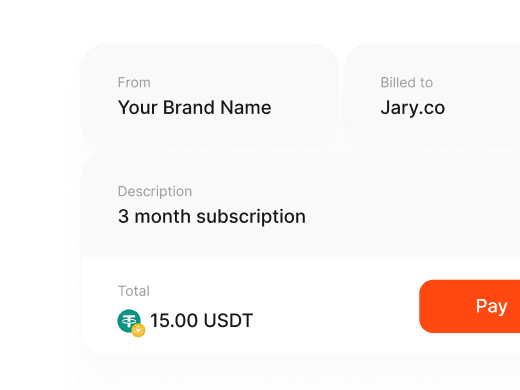
Want to accept crypto payments on your website?
Its key advantages:
- Non-custodial status: full sovereignty over funds and private keys.
- Multi-chain support: secure operations on different networks, working with thousands of assets, NFT and DeFi services.
- Reputation and development: The global recognition of the Coinbase brand is supported by constant updates corresponding to current Web3 trends.
This set of qualities creates a significant competitive advantage, offering users not just a storage tool, but a holistic and secure environment for interacting with the decentralized Internet.
Pros and Cons of Coinbase Wallet
Pros explained
Security features & Encryption
Coinbase Wallet was built with security as a top priority. It protects your private keys using advanced, industry-standard encryption — all stored locally on your device. Unlike custodial wallets, it never saves your keys on company servers, which significantly reduces centralized risk. Additional safeguards like biometric authentication and secure enclave technology further strengthen protection, keeping your assets safe and under your control. Protection is essential if you want to avoid unauthorized access. Additionally, the storage has recovery options and encrypted backups. They strengthen the wallet’s resilience against device loss.
Multi-factor authentication for extra protection
The multi-factor authentication (MFA) feature helps to further protect customers. Users can add extra security by turning on password-based entry or biometric verification. The storage doesn't use centralized systems to hold money. Integrating MFA with secure device management lowers the possibility of fraudulent transactions. This makes it particularly advantageous for consumers who want to keep a lot of cryptocurrency.
Supports many cryptocurrencies & NFTs
Thousands of tokens are supported by Coinbase Wallet, including NFTs, Bitcoin, Ethereum, and ERC-20 assets. The storage interface allows users to store, examine, and administer non-fungible tokens. During the NFT boom, this functionality has become more and more prevalent. Numerous blockchain networks and DeFi protocols are highly compatible. You can access all of your coins and collectibles in one location.
Cons explained
Limited availability
Coinbase Wallet is available in many regions. Some countries still face regulatory limitations that prevent full access to certain features. Plus, the wallet’s integration with Coinbase’s exchange may vary depending on local laws. Users in restricted areas may find it harder to connect bank cards or convert local currency.
Custody considerations
Coinbase Wallet is a non-custodial storage, which means users must manage their private keys and seed phrases themselves. While this offers full ownership, it also places the burden of security on the individual. If a user loses their recovery phrase, they lose access to their assets. This makes it less beginner-friendly and less preferable for those who prefer custodial wallets with built-in recovery support.
Key features of the Coinbase wallet
Buying and selling cryptocurrencies
Coinbase Wallet provides built-in access to the purchase and exchange of digital assets. Users can link the wallet to the main Coinbase exchange or third-party dApps for instant transactions. Replenishment of the balance is available via Visa/Mastercard cards, bank transfers (in supported regions) or from other cryptocurrency addresses.
Staking and passive income opportunities
In 2025, staking remains a key trend, and Coinbase Wallet offers direct access to dozens of proven staking pools and DeFi protocols to generate revenue.
Intra-wallet Cryptocurrency Exchange
The instant swap feature allows you to exchange tokens directly in the wallet interface using decentralized liquidity pools (DEXs), with transparent fee display before confirmation.
Premium features and subscriptions
A paid Coinbase Wallet Premium tier is available, including advanced analytics, fee optimization, and priority support. The basic functionality remains completely free.
Security measures: how safe is a Coinbase Wallet?
Seed phrase & key management
The storage uses a 12-word seed phrase to manage private keys. Encrypted cloud backups are optionally supported on mobile.
Extra security features
Coinbase Wallet includes firewalls, local key storage, auto-lock, session timeouts, biometric authentication, and multi-factor verification.
Independent audits & compliance
The wallet undergoes regular independent security audits and aligns with global regulatory frameworks.
Accepting crypto payments with Coinbase Wallet
Coinbase Wallet can be used by businesses to accept crypto payments via QR codes and wallet addresses.
For scalable and automated setups, platforms like 0xProcessing provide professional crypto payment processing with reporting, settlements, and compliance support.
Advantages for business
Using Coinbase Wallet with 0xProcessing enables fast settlements, lower fees, global reach, automated processing, analytics, and reduced operational risk.
Coinbase Wallet fees
Coinbase Wallet has no custodial fees. Users pay blockchain gas fees and standard exchange fees where applicable.
How to get started with Coinbase Wallet
Setup & registration
Download the app, create or import a wallet, secure it with biometrics or PIN, and start using it without KYC.
Sending, receiving, and swapping
Users can easily send, receive, and swap crypto with clear fee visibility and multi-currency support.
Customer support & UX
The wallet offers a clean interface, in-app FAQs, chatbot support, and regular updates for stable performance.
FAQs about Coinbase Wallet
How does Coinbase Wallet compare to others?
Compared to other crypto wallets, Coinbase Wallet stands out for its user-friendly interface, tight security, and broad asset support. It’s a good alternative to hardware storage for those who want mobility and convenience. Though some wallets offer lower fees or more advanced features, Coinbase Wallet balances accessibility and functionality, especially for those already in the Coinbase ecosystem.
Is Coinbase Wallet safe to use?
Yes, the Coinbase Wallet is safe. Thanks to its multi-layer authentication, encrypted key management, and secure storage protocols. As a non-custodial wallet, it gives users complete control over their private keys. It is less vulnerable to centralized hacks. Plus, one of the most regulated crypto companies is backing it. And it offers both hot and cold storage strategies for better protection.
What cryptocurrencies does Coinbase Wallet support?
Bitcoin, Ethereum, and all ERC-20 tokens are among the hundreds of cryptocurrencies that Coinbase Wallet supports. Additionally, it supports tokens on Layer 2 solutions such as Polygon and non-fungible tokens (NFTs). The storage is a great option for consumers with a variety of coin and asset portfolios, including tokens, because it interfaces with numerous networks.
Can you store NFTs on a Coinbase Wallet?
Yes, you can store, view, and transfer NFTs securely. It offers a dedicated NFT tab in the app, making it easy to manage your digital collectibles. With support for Ethereum-based NFTs, it’s perfect for creators, collectors, and traders alike. Your NFTs are stored in the same wallet as your crypto assets, keeping everything in one place.
Is Coinbase Wallet suitable for you?
Coinbase Wallet is rightfully considered one of the best non-custodial solutions on the market. It combines extensive asset support, intuitive interface, and proven security. Regardless of your experience, the application will provide all the necessary tools for managing, trading and earning on cryptocurrencies. The tight integration with the Coinbase ecosystem makes it particularly convenient for a smooth transition between storage, payments, and exchange operations.
If you are looking for a reliable, secure and self-sufficient wallet in 2026, Coinbase Wallet is a smart and modern choice. And for those who work with a large volume of transactions, the combination with professional infrastructure services such as 0xProcessing will automate calculations and add a level of operational efficiency without losing control over funds.
Conclusion
Coinbase Wallet retains its leading position in 2026 due to its balance and adaptability. It is one of the most trusted tools for working with digital assets, offering:
- Reliable protection: multi-factor authentication, encrypted key storage and regular audits.
- Versatility: working with thousands of crypto assets and NFTs, access to DeFi and dApps.
- Accessibility: Suitable for both beginners and experienced users — for daily payments, long-term storage, or active participation in a decentralized economy.
Combine it with automated platforms like 0xProcessing to simplify business operations and scale crypto payments without headaches. If you need a powerful, non-custodial solution where ease of use does not conflict with security, Coinbase Wallet remains one of the main contenders in the dynamic world of cryptocurrencies.