The best crypto payment processor for e-commerce in 2026 depends on the CMS you use and your store's risk profile. CoinGate offers the widest CMS list with a flat 1% fee and Lightning enabled by default. BitPay is the strongest fit for BigCommerce and US mainstream brands. NOWPayments offers the lowest base fee and 350+ altcoins. Coinbase Commerce wins on brand trust for US Coinbase ecosystem merchants. And 0xProcessing serves the API-first end of the market – iGaming, forex, SaaS, headless commerce – where stock CMS plugins aren’t the typical stack and a custom checkout matters more than a one-click install. CoinPayments completes the comparison as the niche altcoin choice (2300+ coins, useful when the audience pays in long-tail tokens), making six processors total in the analysis below.
What is a crypto payment processor?
A crypto payment processor is a service that lets a merchant accept cryptocurrency at checkout, convert it to a stablecoin or fiat (depending on the merchant's preference), and settle the funds to a bank account or wallet. Compared to a card processor, it removes chargebacks and cross-border FX, but introduces network fee management, on-chain settlement timing, and AML/KYT obligations on the receiving side.
Comparison: top crypto payment processors of 2026
Sorted alphabetically with 0xProcessing first. All data were pulled from each provider’s public documentation as of May 2026.
| Processor | CMS plugins | Coins | Base fee | Fiat settlement | Best fit |
|---|---|---|---|---|---|
| 0xProcessing | None native; API-first, white-label, Web3 connect | 85+ | Turnover-based | SWIFT, SEPA | iGaming, forex, SaaS, headless |
| BitPay | Shopify, BigCommerce, WooCommerce, Magento 2 | ~15 settle | 1–2% + $0.25 | Next-day fiat | US-mainstream BigCommerce |
| Coinbase Commerce | Shopify, WooCommerce | ~10 | 1% conversion | Via Coinbase | Coinbase-native US shoppers |
| CoinGate | WooCommerce, Magento 2, OpenCart, PrestaShop, Shopware, WHMCS, Wix | 70+ | 1% flat | SEPA/SWIFT (EUR/USD/GBP) | EU SMB ecommerce |
| CoinPayments | WooCommerce, Magento, OpenCart, PrestaShop, others | 2300+ | ~0.5% | Limited | Niche altcoin coverage |
| NOWPayments | WooCommerce, Shopify, Magento, OpenCart | 350+ | 0.5% | Third-party | Lowest-fee altcoin stores |
How CMS choice changes the crypto payment math
Shopify
Shopify added native USDC support through Stripe on the Base network in June
2025, covering merchants in 34 countries. The system uses the Commerce Payments Protocol and settles either in local currency or USDC, with settlement occurring around the clock. For non-USDC coverage, BitPay’s Shopify plugin integrates with the hosted checkout with no coding required. Coinbase Commerce, CoinGate, and NOWPayments all ship apps in the Shopify App Store.
WooCommerce
WooCommerce remains the heaviest crypto-plugin ecosystem because WordPress is the largest CMS by share. CoinGate, NOWPayments, BitPay, CoinPayments, and Coinbase Commerce all publish actively maintained plugins. BTCPay Server has a strong WooCommerce module for non-custodial setups. A 2026 Cloudways guide notes that a custodial plugin typically goes live in under an hour.
Magento (Adobe Commerce)
Magento 2 is where enterprise crypto adoption usually happens. BitPay maintains an official Magento 2 plugin, CoinGate covers it, NOWPayments and CoinPayments both ship modules. For merchants in regulated niches – supplements, adult ecommerce, gambling-adjacent merchandise – the plugin route alone may not cover AML/KYT requirements, which is where an API-led processor or Magento’s headless mode becomes useful.
BigCommerce
BitPay has the strongest BigCommerce partnership, with a native integration that doesn’t require merchants to hold crypto. BTCPay Server publishes a BigCommerce app for self-hosted setups. CoinGate operates through BigCommerce’s app marketplace. Adoption is narrower than Shopify or WooCommerce, but integrations work cleanly out of the box.
PrestaShop and OpenCart
Both platforms lean on CoinGate, CoinPayments, and NOWPayments for plugin coverage. PrestaShop has a maintained CoinGate module; OpenCart has multiple options, including CoinRemitter.
The four processors were compared in depth

Each entry below covers what the processor does well, where it falls short, and the merchant profile it fits.
Want to accept crypto payments on your website?
0xProcessing
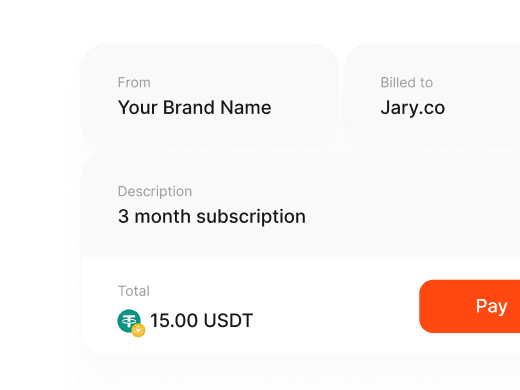
An API-first crypto processor for businesses that need a custom checkout rather than a Shopify drop-in. 85+ cryptocurrencies across 18 blockchains, 16+ Web3 wallets, 31 stablecoins. Owns its own nodes, no third-party aggregators. VRCS auto-converts incoming crypto to stablecoins at settlement, enabled in API settings. Mass Payouts live with 0% withdrawal fee, SWIFT/SEPA off-ramp, 99.9% acceptance rate, and real-time AML/KYT.
Pros:
- VRCS stablecoin auto-conversion at the moment of payment, included in the rate (most competitors charge it separately as a 0.5% conversion fee)
- 0% withdrawal fee plus mass payouts at 0% – meaningful for affiliate-heavy and high-volume merchants
- Designed and licensed for iGaming, forex, SaaS, and adult e-commerce, with real-time AML/KYT and three external audits since 2022
Cons:
- No off-the-shelf plugins for Shopify, WooCommerce, Magento, or BigCommerce – integration is API-first
- Pricing is not publicly listed; the processing fee depends on monthly turnover
- Guided onboarding takes 3–7 days vs same-day signup at lighter processors
BitPay
The oldest crypto checkout product in active use. Founded in 2011, US MSB-registered, NYDFS-licensed. Settles to merchants in 15+ coins with next-day fiat options. BitPay handles 100+ wallets at checkout, and the merchant never holds crypto.
Pros:
- Native plugins for Shopify, BigCommerce, WooCommerce, and Magento 2
- Long track record (since 2011) and US regulatory footprint (MSB, NYDFS)
- 100+ wallet support and predictable next-day fiat settlement
Cons:
- 1–2% + $0.25 per transaction is higher than most modern processors
- Limited to ~15 settle coins compared to 85–350+ elsewhere
- $10,000 minimum for non-US wire payouts and a mandatory BitPay payment mark on checkout
CoinPayments
In the market since 2013. The broadest coin list in the industry by a wide margin – 2300+ cryptocurrencies supported, including niche altcoin competitors that don’t list – plugin coverage across WooCommerce, Magento, OpenCart, PrestaShop, and other CMS.
Pros:
- 2300+ cryptocurrencies, useful for stores serving altcoin communities
- Plugin presence on every major CMS and a long operational track record
- Low base fees on supported coins
Cons:
- Older admin UI compared to newer processors and a slower product roadmap
- Fiat settlement options are narrower than CoinGate or BitPay
- Customer support quality is reported as inconsistent in public reviews
NOWPayments
Founded in 2019, it is part of the ChangeNOW group. 350+ cryptocurrencies. Lowest base fee in the comparison – 0.5% + 0.5% on auto-convert. Plugins for WooCommerce, Shopify, Magento, and OpenCart. HMAC-SHA512 webhook signatures with sorted-JSON requirement, which adds a small development step but improves security.
Pros:
- Lowest base fee among major processors (0.5%)
- 350+ coins cover almost any altcoin-paying audience
- Plugin library across leading CMS; non-custodial option available
Cons:
- The exchange engine depends on ChangeNOW, a third-party dependency in the settlement path.
- Tiered KYC kicks in at higher volumes; funds route through their wallet (custody window)
- No MiCA, PI, or EMI license at the time of writing
Running iGaming, forex, SaaS, or a headless storefront? 0xProcessing onboards your custom checkout via API, auto-converts VRCS to stablecoins, runs real-time AML/KYT checks, and pays out at 0% across 85+ coins and 18 blockchains. 99.9% acceptance rate, three audits since 2022.
Get a demoCheck out the features that actually move conversion
McKinsey’s 2025 Global Payments Report shows merchants losing 1–5% per international sale to card fees, FX markup, reserves, and chargeback exposure. Crypto checkout solves some of that, but only when the checkout converts. Five features that move the needle.
Web3 wallet connect. Letting the buyer click MetaMask or WalletConnect rather than copy-paste an address removes the largest drop-off point in crypto checkout. 0xProcessing is the only processor in this comparison with a native one-click Web3 connect built into the default checkout flow.
Stablecoin auto-conversion. Buyers paying in BTC or ETH expect to see the fiat amount locked when they confirm. VRCS-style conversion at settlement protects the merchant from a 5–10% intraday move while the transaction is being confirmed.
Multi-network selection. Stores accepting stablecoins typically convert better when the buyer can pick the network: TRC20 for low fees, ERC20 for wallet compatibility, BEP20 for Binance users. All six processors above support this for major stablecoins.
Lightning for small tickets. For sub-$10 purchases – digital goods, SaaS micro-purchases, content unlocks – Lightning settles in under a second at a near-zero fee. CoinGate enables it by default.
Fast confirmation chains. Bitcoin on-chain finality takes 10–60 minutes. Stablecoins on Tron, Solana, Base, and BNB Chain finalize in seconds. Steering customers toward fast chains at checkout reduces drop-off after “pay now.”
Refunds and chargebacks: the crypto difference
Blockchain transactions are final. Card payments carry roughly 0.6–1% chargeback rates across general e-commerce, higher in digital goods. Crypto removes that cost entirely: no dispute mechanism, no fraud reversal six months later.
Refunds work differently. A merchant refunds a crypto purchase by manually sending crypto back to the customer’s wallet, at either the original crypto amount or the original fiat value. Most processors provide a refund button in the dashboard. CoinGate and BitPay automate it; 0xProcessing handles it via API or dashboard. CoinPayments and NOWPayments require the merchant to initiate the outgoing transaction explicitly.
For high-volume stores, chargeback elimination alone usually justifies offering crypto as an option, even when it accounts for less than 5% of total revenue.
Custodial vs non-custodial payment processor: what's the difference
A custodial crypto payment processor holds the merchant's funds briefly (seconds to days) between the moment the customer pays and the moment the merchant withdraws. The processor's wallet sits in the middle of the flow. This is how 0xProcessing, BitPay, Coinbase Commerce, CoinGate, NOWPayments, and most major processors operate by default.
A non-custodial processor never controls the funds. The buyer pays directly to the merchant's own wallet, and the processor's role is signing, orchestration, and webhook delivery. BTCPay Server (self-hosted) and Paymento are the clearest examples. NOWPayments offers a non-custodial mode as an opt-in alongside its default custodial flow.
The trade-off is operational. Custodial processors handle AML/KYT, currency conversion, fiat off-ramp, and refund routing as part of the package — but they create a brief credit window during which the merchant is an unsecured creditor if the processor freezes. Non-custodial setups remove that risk entirely but push compliance, accounting, and conversion to the merchant side.
For e-commerce stores under $5M/month with a regulated bank relationship, custodial is usually the cleaner choice — the operational savings outweigh the credit-window risk, especially with licensed and audited providers for Bitcoin-only merchants with internal technical resources, or merchants in jurisdictions where custodial counterparty risk is high, non-custodial wins.
Does accepting crypto help SEO and trust?
Yes, but both effects are indirect – and smaller than the cost and conversion gains. Two channels worth tracking.
Trust signals on the product page. The Trust Badges block at checkout – “we accept BTC, USDT, USDC” – adds visible payment options that some buyers read as a signal of business maturity. Stripe and PayPal have run brand awareness studies on this; the effect for crypto badges is smaller but measurable, particularly with younger and international audiences.
SEO is more about the content surface. A merchant that adds a crypto-payments help page, FAQ, and supported-coin list typically picks up long-tail traffic from queries like “how to accept USDT for ecommerce” or “which cryptocurrency gateway is best for ecommerce stores.” Per CoinLaw’s 2025 merchant adoption data, US crypto payment use is forecast to grow 82% between 2024 and 2026, which means search demand is expanding alongside actual usage.
Real implementations and case data
The Stripe and Shopify USDC launch in June 2025 became one of the largest pieces of crypto-commerce infrastructure deployed last year. In its annual letter published in February 2026, Stripe reported that 2025 stablecoin payment volume doubled to around $400 billion, with strong growth on fast networks like Base and Solana (sub-second finality).
E-commerce conversion benchmarks from Nector’s 2025–2026 study put the Americas at 3.14% overall and food/beverage at 6.02%. Stores adding crypto checkout often report modest but consistent lifts in international markets where card decline rates are highest – Latin America, parts of Africa, Southeast Asia. Per Finextra’s January 2026 analysis, stablecoin payment volume by transaction count surpassed several major card networks in 2025.
20-minute setup walkthrough
A realistic timeline for adding a crypto checkout to an existing store, assuming the merchant already has an account on the chosen processor.
- Minutes 0–3: Create an API key in the processor’s merchant dashboard. Copy and store it in a secrets manager.
- Minutes 3–7: Set the webhook URL on your store’s side and enter it in the processor’s API settings. Choose HTTPS only – TLS is mandatory.
- Minutes 7–12: If using a CMS plugin, install it (WooCommerce, Magento, etc.) and paste the API key. If using the API directly (the 0xProcessing path), wire up an /invoice/create call and a webhook handler.
- Minutes 12–16: Run a test payment using the processor’s sandbox or a small live transaction (~$2 minimum). Confirm that the webhook arrives, the signature validates, and the order status updates.
- Minutes 16–20: Enable stablecoin auto-conversion (VRCS at 0xProcessing, equivalent settings elsewhere). Set your withdrawal preferences. Go live.
Plugin-based stores often go live in under 20 minutes. API-first integrations like 0xProcessing run 1–2 hours for a developer who reads the docs – the trade-off is full control over the checkout UI and the AML logic.
How to choose your stack
A short checklist before signing a contract.
- What CMS do you run? If Shopify, off-the-shelf, BitPay, or CoinGate are the fastest. For headless or custom setups, 0xProcessing’s API-first model removes the plugin maintenance burden.
- What’s your typical ticket size? Below $10, push Lightning. Above $1,000, stablecoin settlement saves the most on FX.
- Where do your customers pay from? US-heavy stores favor BitPay or Coinbase Commerce. EU-heavy stores favor CoinGate. Cross-border transactions with a high stablecoin share favor 0xProcessing or NOWPayments.
- Do you need a fiat off-ramp? SWIFT and SEPA support varies. CoinGate, BitPay, and 0xProcessing all settle to bank accounts. NOWPayments and CoinPayments are weaker here.
- Are you in a regulated niche? iGaming, forex, adult ecommerce, supplements – these typically need a processor with real AML/KYT and a track record of audits, not just a Shopify plugin.
- Is your team developer-led? If yes, an API-first crypto payment gateway for e-commerce gives more control than a plugin and scales more cleanly over time.
Bottom line
Choosing a crypto payment processor for e-commerce in 2026 isn’t about “which is best” in the abstract. It’s about which one matches the CMS you run, the niche you operate in, and the customer base you serve. For a Shopify store, CoinGate or BitPay’s plugin gets you live in under an hour. For a BigCommerce brand, BitPay’s native integration is the cleanest path. For a developer-led team building headless commerce or operating in iGaming, forex, or SaaS, 0xProcessing’s API and white-label flows deliver more control than a plugin ever could.
Want a crypto payment gateway built around your checkout, not the other way around? 0xProcessing handles 85+ cryptocurrencies across 18 blockchains, ships VRCS auto-conversion, mass payouts with 0% fee, and real-time AML/KYT. Three audits since 2022. SWIFT and SEPA off-ramp included.
Talk to our teamFAQ
Is there a fully no-KYC crypto payment processor that’s safe to use at scale in 2026?
Not really. Every custodial processor that markets “no-KYC” applies verification above a volume threshold, and self-hosted options like BTCPay Server move the entire compliance load onto the merchant. The realistic answer for scale is a licensed processor that doesn’t pass KYC onto the customer – a different architecture, not the absence of compliance.
Where is no merchant KYC still legal in 2026?
“Legal” depends less on the processor and more on what the merchant does. Brazil, Argentina, Mexico, Nigeria, South Africa, Kenya, the Philippines, and Vietnam all have VASP rules that apply once a business operates as one. The bar is activity, not size. Several smaller jurisdictions still allow unlicensed acceptance for low-volume merchants, but the regulatory map is narrowing each year.
Does a no-KYC crypto payment gateway protect customer privacy?
At the checkout layer, yes – the customer doesn’t share ID. On-chain, no transaction is private by default. AML/KYT tools, chain analysis firms, and any future regulator can reconstruct flows. Privacy at the form does not equal privacy on the ledger.
What’s the difference between non-custodial and self-hosted?
Non-custodial means the operator never controls the funds, but the operator still exists as a company. Self-hosted means there’s no operator at all – the merchant runs the software on their own infrastructure.
Are there enforcement risks for the merchant if I use a no-KYC processor?
Yes, especially in jurisdictions with VASP rules. If the processor is later sanctioned or shut down, merchants who routed funds through it can face frozen settlement, blocked off-ramp, and questions from local FIUs. The Cryptomus/FINTRAC case is the clearest example of 2025–2026.
Can I run a hybrid model where small payments stay no-KYC and large ones get verified?
Yes, and this is the most common compliant approach in practice. Document the tiering, run AML/KYT on every incoming transaction regardless of size, and have a clear escalation path for higher-risk flows. Several licensed processors (including 0xProcessing) ship this logic by default.